How to Maximize Vacation Rental Occupancy Without Dropping Prices
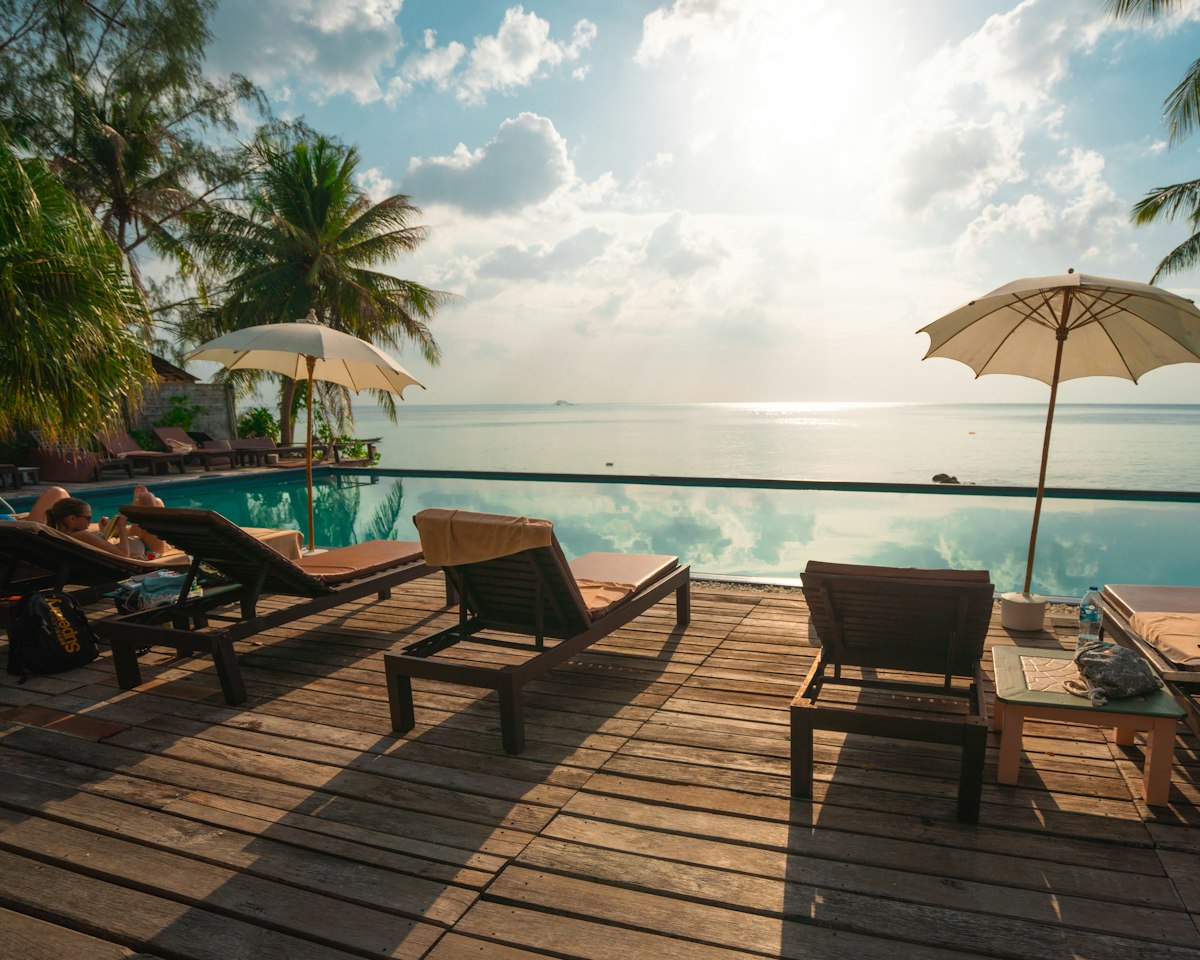
Every vacation rental operator faces the same temptation: when occupancy drops, cut prices. It's the fastest lever you can pull. But it's also the most dangerous one.
Price cuts create a race to the bottom that destroys your market positioning, trains guests to expect discounts, and erodes your revenue faster than empty nights ever could. The math is brutal: dropping your nightly rate by 20% means you need to book 25% more nights just to break even on revenue.
The Occupancy-Revenue Trap: A property at 70% occupancy with $200/night rates generates more revenue than the same property at 85% occupancy with $160/night rates. The goal isn't maximum occupancy—it's maximum revenue.
Top-performing STR operators know this. They focus on strategic occupancy optimization—improving their booking rate through non-price levers while maintaining or even increasing their average daily rate. Here's how they do it.
The Real Occupancy Problem: It's Not Your Price
Before we dive into solutions, let's diagnose the actual problem. When properties sit empty, operators instinctively blame their pricing. But in 8 out of 10 cases, the issue is elsewhere:
- Listing quality: Poor photos, weak descriptions, missing amenities in your listing copy
- Search visibility: Your property isn't appearing in relevant searches due to SEO or category misalignment
- Response patterns: Slow response times or low acceptance rates hurt your algorithmic ranking
- Calendar management: Inflexible minimum stays block high-probability bookings
- Market timing: You're not adjusting strategy for shoulder seasons, local events, or demand shifts
These factors compound. A property with mediocre photos AND slow response times AND a 3-night minimum during midweek will sit empty even if priced 30% below market. Meanwhile, an optimized listing can maintain 85%+ occupancy at premium rates.
Strategy 1: Optimize Your Listing Like a Conversion Machine
Your Airbnb or Vrbo listing is a sales page. Every element either moves guests toward booking or gives them a reason to keep scrolling. Elite operators treat listing optimization as seriously as paid marketers treat landing pages.
Photography: Your First (and Often Only) Impression
Professional photography isn't an expense—it's the highest-ROI investment you'll make in your STR business. Data from Airbnb shows that professional photos increase booking rates by 24-40% compared to amateur smartphone photos.
What makes photos "professional" isn't just the camera—it's the strategy:
- First photo = hero shot: Wide-angle living space with natural light, staged to show your property's unique value proposition
- Show the lifestyle, not just rooms: Guests browsing at 11pm aren't analyzing floor plans—they're imagining their vacation
- Highlight amenities visually: Don't just list "workspace"—show a laptop on a desk with good lighting and a coffee cup
- Consistency matters: Color grading, brightness, and style should be uniform across all photos
- Update seasonally: Summer photos in winter months reduce conversion—refresh quarterly if possible
Title and Description: SEO Meets Persuasion
Your title needs to accomplish three things in under 50 characters: communicate location, highlight your unique selling proposition, and include searchable keywords.
Weak title: "Beautiful Home Near Downtown"
Strong title: "Modern 3BR w/ Rooftop Deck | Walk to Gaslamp Quarter"
The description should answer the question every guest is asking: "Why should I book THIS property instead of the 47 others in my search results?" Top performers structure descriptions like this:
- Hook (2-3 sentences): Unique value prop and ideal guest persona
- Space overview: Layout, sleeping arrangements, key features
- Amenities that matter: Don't list everything—highlight what differentiates you
- Location advantages: Walkability, proximity to attractions, neighborhood vibe
- Soft close: Invite them to book or message with questions
Critical mistake to avoid: Generic descriptions that could apply to any property. "Cozy space perfect for families" tells me nothing. "Three-bedroom layout where kids' room is separated from master by living space—parents get privacy after bedtime" tells me this host understands their guests.
Instant Book: The 23% Conversion Advantage
Airbnb's algorithm heavily favors Instant Book properties in search results. But more importantly, removing friction from the booking process directly impacts conversion rates. When guests find a property they like, requiring them to message and wait for approval creates three problems:
- They continue shopping and may find a better option while waiting
- Inquiry-to-booking conversion averages only 40-60% even with perfect responses
- Your response time and acceptance rate metrics suffer if you decline inquiries
Yes, Instant Book means accepting bookings from guests you haven't screened. But platforms like Airbnb have robust verification, reviews, and host protections. The occupancy lift typically outweighs the occasional problem guest—especially if you have clear house rules and automated messaging that sets expectations from the moment of booking.
Strategy 2: Master Calendar Flexibility
Minimum night requirements are occupancy killers in disguise. That 3-night minimum that seems reasonable? It's blocking dozens of 1-night and 2-night bookings that could fill your calendar gaps and actually increase total revenue.
The Gap-Night Opportunity
Here's a scenario that happens constantly: You have a booking checking out Saturday morning and another checking in Monday afternoon. That orphaned Sunday night sits empty because your 2-night minimum blocks single-night bookings.
Top operators dynamically adjust minimums based on calendar context:
| Scenario | Minimum Stay | Why |
|---|---|---|
| Open week, 30+ days out | 3 nights | Maximize per-booking revenue during low-urgency period |
| Open week, 14 days out | 2 nights | Increase booking probability as urgency rises |
| Orphan night between bookings | 1 night | Fill gap that otherwise earns $0 |
| Weekend nights (Fri-Sat) | 2 nights | Capture full weekend demand |
| Midweek gaps (Mon-Thu) | 1 night | Business travelers and weekday demand |
Platforms like PriceLabs and Wheelhouse allow you to set these rules automatically. But even manually adjusting your calendar once per week based on these principles can increase occupancy by 8-12 percentage points without touching your base rates.
Calibr8ted's Gap-Fill Automation: Our system automatically detects 1-night orphan gaps in your calendar and can either adjust minimum stays dynamically or send targeted 50% discount offers to previous guests and local contacts. Properties using this feature fill 67% of gap nights that would otherwise sit empty—without degrading your overall rate positioning.
Last-Minute Booking Windows
What's your strategy for nights that are still open 3 days before check-in? Most operators either panic-drop prices or resign themselves to the loss. Elite operators have a systematized approach:
- 7-3 days out: Drop minimum stay to 1 night, maintain 85-90% of base rate
- 3-1 days out: Consider 10-15% discount but ONLY on those specific dates (don't train the market to wait for deals)
- Day-of: Aggressive discounting is acceptable here since a 50% discount still beats 0% occupancy
The key is lead-time based discounting rather than blanket price drops. You're not becoming a "discount property"—you're applying yield management principles that airlines and hotels have used for decades.
Strategy 3: Response Time and Hosting Metrics
Airbnb and Vrbo's search algorithms aren't just sorting by price and reviews. They heavily weight hosting metrics that indicate reliability and guest satisfaction:
- Response rate: Percentage of inquiries you respond to within 24 hours
- Response time: Average time to first reply (under 1 hour is optimal)
- Acceptance rate: Percentage of inquiries/booking requests you accept
- Cancellation rate: Host-initiated cancellations are heavily penalized
A property with 90%+ response rate, sub-1-hour response time, and Superhost status can appear 3-5 positions higher in search results than an identical property with poor metrics—even at slightly higher prices.
Automation for Response Excellence
You can't be glued to your phone 24/7, but you can automate initial responses that keep your metrics perfect while you craft personalized replies:
- Airbnb's Quick Replies: Pre-written responses for common questions that you can send in one tap
- Automated welcome messages: Trigger immediately on inquiry or booking with key info and "I'll follow up shortly with details"
- Smart pricing tools: Automatically accept bookings that meet your criteria rather than requiring manual approval
Top operators respond to 100% of inquiries within an hour—not because they're always available, but because they've built systems that handle the first touchpoint automatically.
Strategy 4: Amenity Upgrades That Drive Bookings
Not all amenities are created equal. Some—like "WiFi" or "Heating"—are table stakes that guests expect. Others create genuine differentiation and justify premium rates while improving occupancy.
High-ROI Amenity Additions
For whole-home rentals:
- Hot tub or pool: 15-30% rate premium, significantly improves search visibility in "unique stays" and "luxury" categories
- EV charger: Low cost ($500-1200), captures growing Tesla/EV owner segment who filter specifically for this
- Dedicated workspace: Post-COVID, remote workers are a huge segment—proper desk, ergonomic chair, good lighting, second monitor
- High-end coffee setup: Espresso machine or pour-over setup signals attention to detail, frequently mentioned in reviews
- Smart home features: Keyless entry, smart thermostat, voice assistants improve convenience and reduce your operational burden
For private rooms or budget properties:
- High-quality mattress: Sleep quality is the #1 driver of reviews; premium mattress pays for itself in ratings
- Blackout curtains: Inexpensive but universally appreciated
- USB charging ports: Built into nightstands or wall outlets—small detail, big convenience
- Mini-fridge in room: For shared-house situations, private cold storage is a major differentiator
- Streaming device: Roku or Chromecast with guest's own accounts—better than cable at 1/10th the cost
Amenity Messaging Matters
It's not enough to add amenities—you need to make them visible in your listing, photos, and description. That EV charger you installed? Worthless for bookings if guests don't know it exists. Add it to your title if you're in a market with high EV adoption. Photograph it. Mention it in your description's first paragraph.
Strategy 5: Lead-Time Based Pricing (Not Panic Discounting)
This is where strategic pricing enters the picture—but notice we're on strategy #5, not #1. Pricing adjustments should be surgical and data-driven, not blunt-force panic moves.
The Calvin Tran Lead-Time Model
Named after hospitality pricing expert Calvin Tran, this approach applies progressive discounts based on days until check-in—but with strict caps to prevent market position erosion:
| Days Until Check-In | Occupancy Target | Max Discount |
|---|---|---|
| 30+ days | 35% | 0-2% |
| 15-30 days | 55% | 2-5% |
| 8-14 days | 75% | 5-10% |
| 0-7 days | 85% | 10-15% |
Notice the max discount caps: even in the final week before arrival, you're never dropping more than 15%. This prevents commodity pricing dynamics while still capturing last-minute demand.
Crucially, these discounts apply only to the specific open dates, not your entire calendar. A guest booking 45 days out pays full price while a last-minute booker 5 days out gets a 10% discount on just those nights. You're not training the market to expect deals—you're using yield management.
Why Weekend Discounts Should Be Smaller: Weekend demand is typically 60-80% higher than weekday demand for leisure properties. Your lead-time discounts on Fri-Sat nights should be 75% of your weekday discounts. If you're offering 10% off weekday nights at 7 days out, offer only 7.5% off weekend nights in the same window.
Strategy 6: Seasonal Preparation and Market Positioning
Occupancy isn't a year-round constant—it's a wave with predictable peaks and troughs. Elite operators prepare for seasonal shifts months in advance rather than reacting in real-time.
Shoulder Season Strategy
The weeks between high and low season are where most operators bleed occupancy. The solution isn't dramatic price drops—it's repositioning your property for a different guest persona:
- Target business travelers: Update your listing to emphasize workspace, WiFi speed, proximity to business districts
- Capture long-term stays: Offer weekly and monthly discounts that appeal to digital nomads, relocating professionals, or displaced residents
- Local event marketing: Identify conferences, sports events, and festivals in your area 90 days out—adjust your listing and pricing to capture that demand
- Flexible cancellation policies: During low season, "flexible" cancellation can be the deciding factor for fence-sitters
The "Booked Solid" Perception
Here's a counter-intuitive tactic: occasionally blocking off 1-2 nights in your calendar even when you don't have bookings. Why? Because guests browsing your calendar see a property with lots of availability as less desirable than one with scattered bookings.
Social proof applies to availability. A calendar that's 40% booked looks like a mediocre property. The same calendar with 20% booked + 20% strategically blocked looks like a popular property with limited availability—and that perception drives urgency.
This is psychological pricing theater, not deception. You're simply recognizing that guest perception influences behavior. Use sparingly and only when you genuinely need to create urgency during low-demand periods.
The Compound Effect: Systems, Not Tactics
Here's the truth that separates weekend hosts from professional operators: none of these strategies work in isolation. The magic happens when they compound.
A property with professional photos (Strategy 1) + Instant Book enabled (Strategy 1) + flexible minimums (Strategy 2) + sub-1-hour response times (Strategy 3) + an EV charger and dedicated workspace (Strategy 4) + lead-time based pricing (Strategy 5) doesn't just perform 6x better than an unoptimized property. It performs 15-20x better because each element amplifies the others.
Better photos drive more inquiries → Fast responses convert those inquiries → Flexible minimums capture bookings competitors miss → Smart amenities justify premium rates → Lead-time pricing fills the remaining gaps → All of this feeds better algorithmic ranking → Which drives even more inquiries.
It's a flywheel. And once it's spinning, your property maintains 80-90% occupancy at above-market rates while your competitors are stuck in a race to the bottom.
Automation: The Only Way to Scale These Strategies
If you're reading this and thinking "I don't have time to manually adjust minimums, track lead-time pricing, monitor response times, and optimize my listing quarterly"—you're right. Nobody does.
This is why top operators invest in property-specific automation rather than trying to manually execute these strategies. Tools like Calibr8ted handle the mechanical execution while you focus on strategic decisions and guest experience.
Our system automatically:
- Adjusts minimums based on calendar gaps and booking patterns
- Applies lead-time discounts with strict caps to prevent positioning erosion
- Detects and fills orphan nights with targeted offers
- Monitors your comp set and adjusts positioning without racing to the bottom
- Tracks your hosting metrics and alerts you to response-time issues before they hurt your ranking
The result: properties averaging 82% occupancy with 18% higher ADR than market median. That's not magic—it's just systematic execution of the strategies outlined in this article.
Maximize Occupancy Without Price Wars
If you're tired of watching competitors race to the bottom while you try to maintain your positioning, we should talk. See how property-specific pricing optimization can increase your occupancy AND your revenue.
Schedule a Demo(Limited availability - we only work with serious operators)
Key Takeaways
- Price cuts are a last resort, not a first response. Focus on non-price levers first—listing optimization, calendar flexibility, response metrics, and amenity differentiation.
- Professional photos and Instant Book are table stakes for competitive occupancy rates in 2026. If you haven't done these, stop reading and do them now.
- Minimum stay requirements are occupancy killers. Dynamic minimums based on calendar context can increase bookings by 8-12 percentage points.
- Hosting metrics directly impact search ranking. Fast response times and high acceptance rates give you better placement than competitors with identical properties.
- Not all amenities are equal. Strategic upgrades like EV chargers, workspaces, and hot tubs drive bookings and justify premium rates.
- Lead-time pricing beats panic discounting. Progressive discounts with strict caps fill calendars without destroying your market position.
- These strategies compound when combined. The occupancy advantage comes from systematic execution of multiple optimizations, not one-off tactics.
- Automation is essential at scale. You can't manually execute these strategies across multiple properties or even consistently for one property—invest in systems that handle the execution.
Want to dive deeper into strategic STR pricing and positioning? Check out these related articles:
- Why commodity pricing tools fail for premium properties
- Revenue management principles for vacation rentals
- How to build and analyze competitive sets for your STR